Urban Landscape Photography: Capturing City Life
Urban landscape photography is a fascinating blend of creativity, architecture, and storytelling. Imagine wandering through city streets, camera in hand, ready to capture the vibrancy of urban life. Whether it’s the towering skyscrapers or the quaint alleyways, each city has a unique story to tell, waiting for us to unveil it through our lens. Not to mention, we get to use our artistic chops in a setting that’s continually evolving. What could be better? So grab your camera and let’s jump into the colorful world of urban landscape photography.
What Is Urban Landscape Photography?
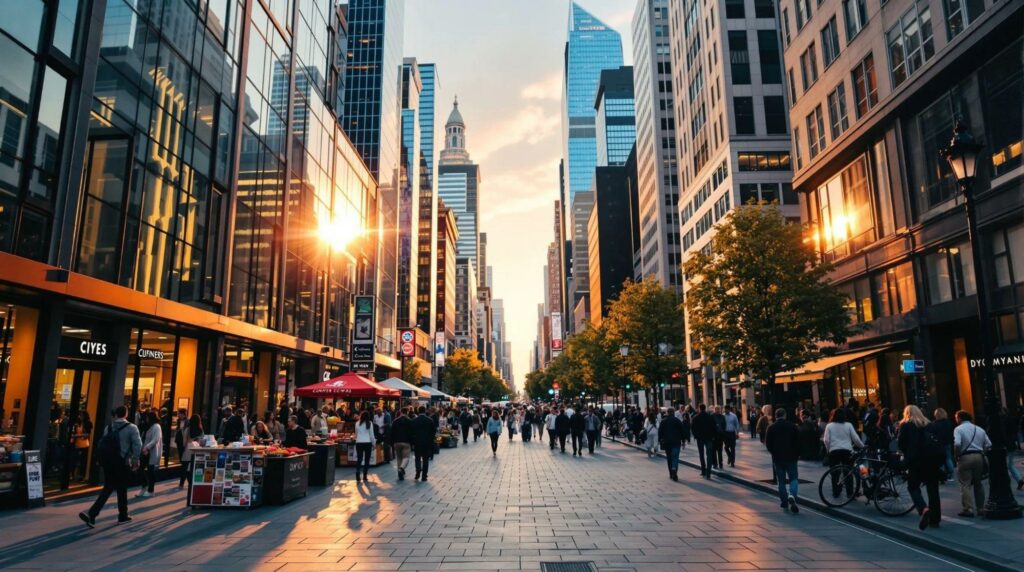
Urban landscape photography focuses on capturing the essence of cities, portraying not just the structures that define them but also the life within those spaces. It’s more than simply photographing buildings: it’s a way of showcasing the relationship between people and their environment. This genre invites us to explore the intricacies of urban life, whether we’re highlighting massive skyscrapers under a dusky sky or the intimate interactions of locals in a bustling market. We can portray everything from gritty street scenes to sophisticated architectural wonders, all while evoking the mood and energy of city living.
The Importance of Composition in Urban Photography
In urban photography, composition can make or break our shots. Just like a well-structured city, a well-composed photograph leads the viewer’s eye and tells a story. We should think about the rule of thirds, leading lines, and framing. For instance, do we want to focus the attention on a striking building or capture the hustle and bustle of everyday life? Not to mention, experimenting with different angles can radically change our perspective and the narrative of a photo.
Using symmetry can also enhance our images, particularly during chaotic environments. Buildings lined up perfectly can provide a sense of harmony amidst the hustle. Let’s take the time to carefully adjust our framing to create visually compelling scenes.
Essential Equipment for Urban Landscape Photography
When it comes to urban landscape photography, having the right equipment is crucial. At the core of our kit, a reliable camera, preferably a DSLR or mirrorless model, will ensure we can capture stunning images. Prime lenses offer fantastic sharpness, the 35mm or 50mm lenses are excellent for daytime street scenes, while a wide-angle lens becomes invaluable for squeezing in more detail from vast urban landscapes.
Techniques for Stunning Urban Shots
Utilizing a tripod can be a game changer as well, especially for low-light conditions or detailed cityscapes. With long exposure shots, we can capture the beauty of city lights at dusk. A polarizing filter can help us reduce glare and bring out vibrant colors in our urban subjects. Eventually, we need to adapt our equipment to suit the setting and message we want to convey.
Post-Processing Tips for Urban Photography
Post-processing is where the magic really happens. We have the power to enhance our images, accentuating colors and adjusting contrast to reflect our vision. Programs like Adobe Lightroom and Photoshop are fantastic tools for organizing and editing our photos.
Understanding Lighting in Urban Environments
Understanding light can drastically affect our outcomes. Urban environments can present harsh lighting conditions during the day, which is where post-processing comes in to balance shadows and highlights. At dusk, the city transforms: streetlamps and neon signs can add a vibrant glow to our photos, offering us a chance to play with silhouettes and reflections.
Finding Unique Perspectives in Cityscapes
Every city has its own identity, and it’s our job to capture that in a distinctive way. Are we looking for bustling sidewalks, shadowy alleyways, or grand open squares? It’s essential to seek out uncommon angles, perhaps shooting from a rooftop or framing through a nearby archway. These techniques allow us to weave a more intricate narrative about the city. By stepping out of the typical shot angles, we might find hidden details that most people overlook.