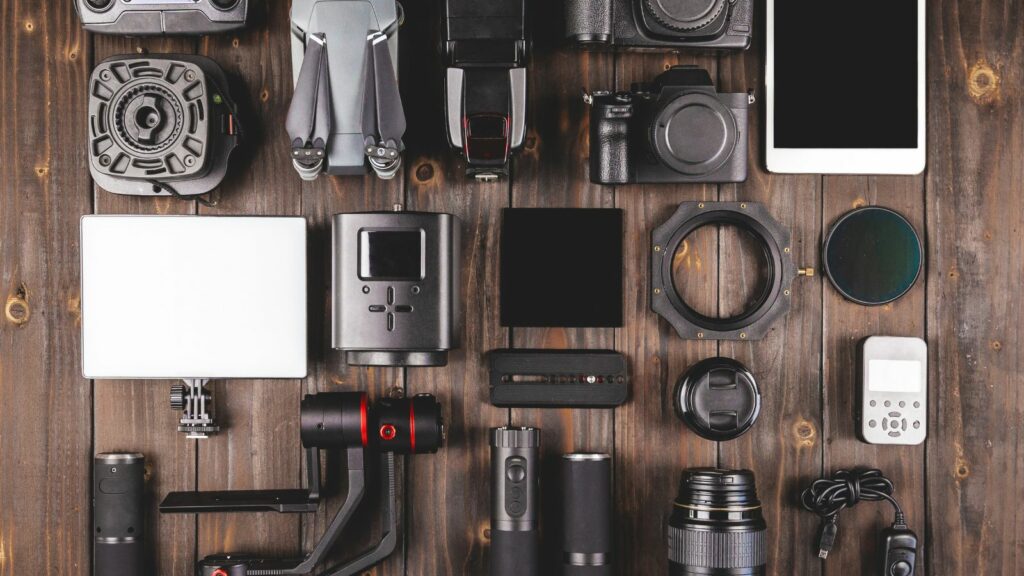
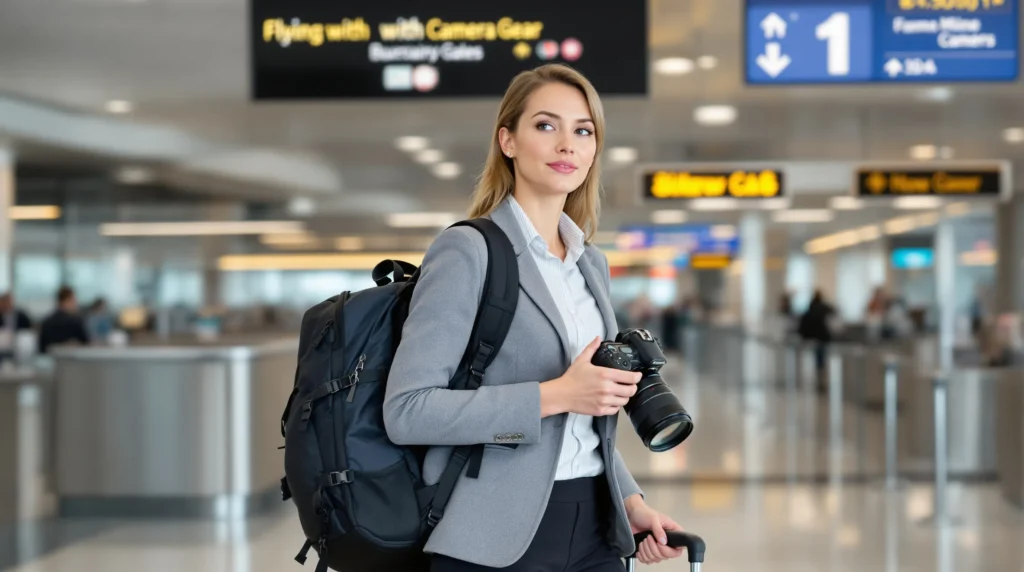
Picture this: You’re standing at airport security, sweat beading on your forehead, clutching your camera bag like it’s a newborn. The TSA agent eyes your gear, and you wonder if you’ll have to explain what a 70-200mm lens is for the third time this week. If flying with camera gear has ever made your heart race, you’re not alone. I’ve fumbled with tangled cables, watched a lens roll away on the conveyor belt, and once had a tripod mistaken for a medieval weapon. But here’s the part nobody tells you—traveling with camera gear doesn’t have to be a stress test. With the right prep, you can breeze through airports and keep your gear safe, ready for that perfect shot on the other side.
Who Needs This Guide (And Who Doesn’t)
If you’re a photographer, videographer, or even a hobbyist who can’t imagine a trip without your camera, this guide is for you. Maybe you’re shooting a wedding in Bali, capturing street life in Paris, or just want to snap family memories in Florida. If you only travel with a phone or a point-and-shoot, you probably don’t need to worry about most of these tips. But if you’ve ever packed a DSLR, mirrorless, or a bag full of lenses, keep reading. Flying with camera gear is a different beast.
Why Airlines Care About Your Camera Gear
Let’s break it down. Airlines worry about two things: weight and security. Camera gear is heavy, expensive, and full of batteries that can set off alarms. Lithium-ion batteries, in particular, get extra scrutiny. If you’ve ever had a TSA agent pull out your camera and ask, “Is this a bomb?”—you know the drill. Airlines also limit carry-on size and weight, and some budget carriers are ruthless about it. Here’s why you need a plan before you even book your ticket.
Pre-Flight Prep: Packing Like a Pro
Choose the Right Bag
Not all camera bags are created equal. I once tried to squeeze a hard-shell roller into an overhead bin on a tiny regional jet. Spoiler: It didn’t fit. Soft-sided backpacks usually work best. Look for one that fits under the seat if you’re flying with camera gear on smaller planes. Brands like Peak Design, Lowepro, and Think Tank make bags that balance protection and flexibility.
What Goes in Carry-On vs. Checked Luggage
- Carry-On: Camera bodies, lenses, memory cards, batteries, and anything you can’t afford to lose or break. Always keep lithium batteries in your carry-on. Airlines ban them from checked bags for safety.
- Checked Luggage: Tripods, light stands, and less fragile accessories. Wrap them in clothes for extra padding. Never check your main camera or lenses unless you’re okay with heartbreak.
Pack Smart, Pack Light
Here’s the hard truth: You probably don’t need every lens you own. I once lugged a 300mm prime across three countries and used it once. Make a shot list and pack only what you’ll use. If you’re flying with camera gear for a job, ask your client what’s essential. Less gear means less stress and fewer fees.
Airport Security: Surviving the Gauntlet
Be Ready for Inspection
Security agents see a lot of weird stuff, but a bag full of electronics always gets attention. Place your camera and lenses in separate bins if asked. Remove batteries and keep them in a clear pouch. If you’re carrying film, request a hand check—X-rays can fog undeveloped rolls. Smile, stay patient, and remember: the agent is just doing their job.
Dealing with Questions
If you’re stopped, explain what each item is. “That’s a lens, not a telescope.” Humor helps. I once told an agent my tripod was for “catching unicorns.” We both laughed, and I got through faster. If you’re flying with camera gear internationally, check local rules—some countries require permits for pro equipment.
On the Plane: Keeping Gear Safe
Overhead Bin or Under the Seat?
Always try to board early. Overhead space fills up fast, and you don’t want your bag gate-checked. If you must put your bag under the seat, make sure it’s padded and zipped. Never let anyone force you to check your camera bag at the gate. If it happens, remove your most valuable gear and carry it by hand.
Protecting Against Bumps and Drops
Use padded dividers and lens wraps. I once watched a fellow traveler’s bag tumble out of the overhead bin—his lens didn’t survive. Don’t be that person. If you’re flying with camera gear in a soft bag, add extra padding with clothes or bubble wrap.
Insurance: The Safety Net You Didn’t Know You Needed
Here’s the part nobody tells you: Airlines rarely cover lost or damaged camera gear. Your homeowner’s policy probably doesn’t either. Get dedicated camera insurance. Companies like PPA, Hiscox, and even some credit cards offer coverage. It’s a small price for peace of mind. I learned this the hard way after a lens disappeared in transit—never again.
International Travel: Customs, Carnets, and Surprises
Declaring Your Gear
If you’re flying with camera gear overseas, customs can get tricky. Some countries suspect you’re importing gear to sell. Bring receipts or a “carnet”—an official document listing your equipment. U.S. Customs can stamp a form (CBP 4457) before you leave, proving you owned the gear before your trip. It’s a lifesaver if you get questioned on return.
Local Laws and Permits
Some places require permits for drones or pro cameras. Research before you go. I once had a drone confiscated in Morocco because I didn’t check the rules. Don’t make my mistake—always check embassy websites or travel forums for the latest info.
Quick Tips for Hassle-Free Travel
- Label your gear with your name and contact info
- Carry extra batteries and memory cards, but keep them organized
- Back up your photos to a cloud service or portable drive every night
- Bring a microfiber cloth—airports are dusty
- Keep a printed list of your gear for reference
What Nobody Tells You About Flying With Camera Gear
Here’s the truth: You’ll make mistakes. You’ll forget a charger, lose a lens cap, or get grilled by security. But you’ll also get better every time. The first time I flew with a full kit, I packed like I was moving house. Now, I travel with one camera, two lenses, and a tiny tripod. Less gear, more freedom. If you’ve ever felt overwhelmed, you’re not alone. Every pro started somewhere.
Next Steps: Your Turn to Fly
If you’re flying with camera gear soon, start with a packing list. Test your bag’s weight. Check airline rules. Get insurance. And remember—every trip is a chance to learn. The world’s waiting, and your camera’s ready. Safe travels and happy shooting.