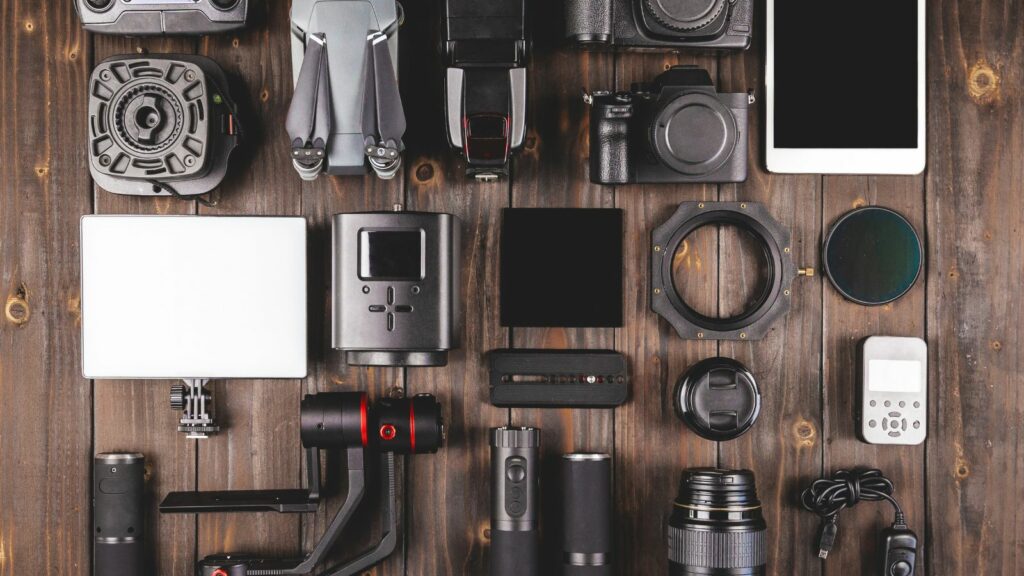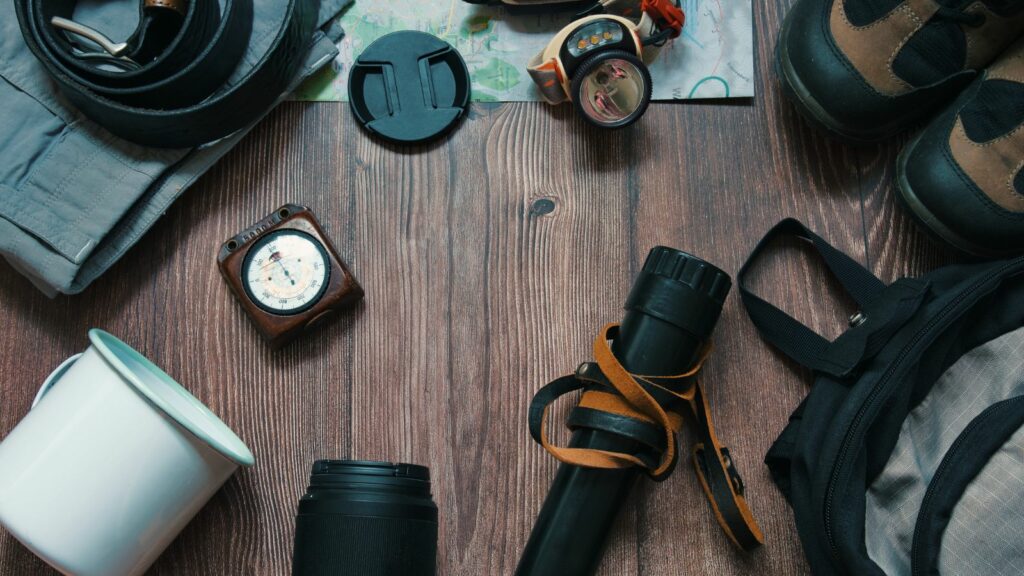
Picture this: You’re late for a sunrise shoot, fumbling through a pile of tangled camera straps, missing lens caps, and memory cards that seem to vanish into thin air. If you’ve ever felt that panic, you know why camera gear storage isn’t just about neat shelves—it’s about saving your sanity, your gear, and sometimes, your shot. Let’s break it down: smart camera gear storage can mean the difference between capturing the moment and missing it entirely.
Why Camera Gear Storage Matters
Camera gear isn’t cheap. A single lens can cost more than your first car. But it’s not just about money. Each piece of equipment holds memories, creative potential, and sometimes, your reputation. If you’ve ever lost a memory card with a client’s wedding photos, you know the gut punch. Good camera gear storage protects your investment, keeps you organized, and helps you work faster. Here’s why:
- Protection: Dust, moisture, and accidental drops can ruin your gear. Proper storage keeps everything safe.
- Efficiency: When you know where everything is, you spend less time searching and more time shooting.
- Peace of mind: No more last-minute scrambles or forgotten batteries.
If you’re a pro, hobbyist, or even a parent with a camera obsession, this matters. But if you only shoot on your phone, you can probably skip the fancy storage solutions.
Common Camera Gear Storage Mistakes
Let’s get honest. Most of us have made at least one of these mistakes:
- Storing gear in random drawers or boxes
- Leaving lenses uncapped or unprotected
- Forgetting to back up memory cards
- Letting batteries roll around loose
- Ignoring humidity and temperature
I once left a lens in my car on a hot day. The next morning, condensation fogged up the glass. Lesson learned: camera gear storage isn’t just about neatness—it’s about survival.
Building Your Camera Gear Storage System
Ready to get organized? Here’s the part nobody tells you: there’s no single “right” way. Your camera gear storage should fit your space, your workflow, and your personality. Let’s look at the essentials.
1. Choose the Right Storage Space
Start with location. Avoid damp basements or hot attics. Pick a spot with stable temperature and low humidity. A closet, spare room, or even a dedicated shelf can work. If you live in a humid area, consider a dehumidifier or silica gel packs.
2. Use Dedicated Camera Bags and Cases
Camera bags aren’t just for travel. Use them at home to keep gear organized and protected. Look for padded dividers, weather resistance, and easy access. Hard cases offer extra protection for expensive or delicate items. If you shoot on the go, a rolling case can save your back.
3. Organize by Type and Frequency
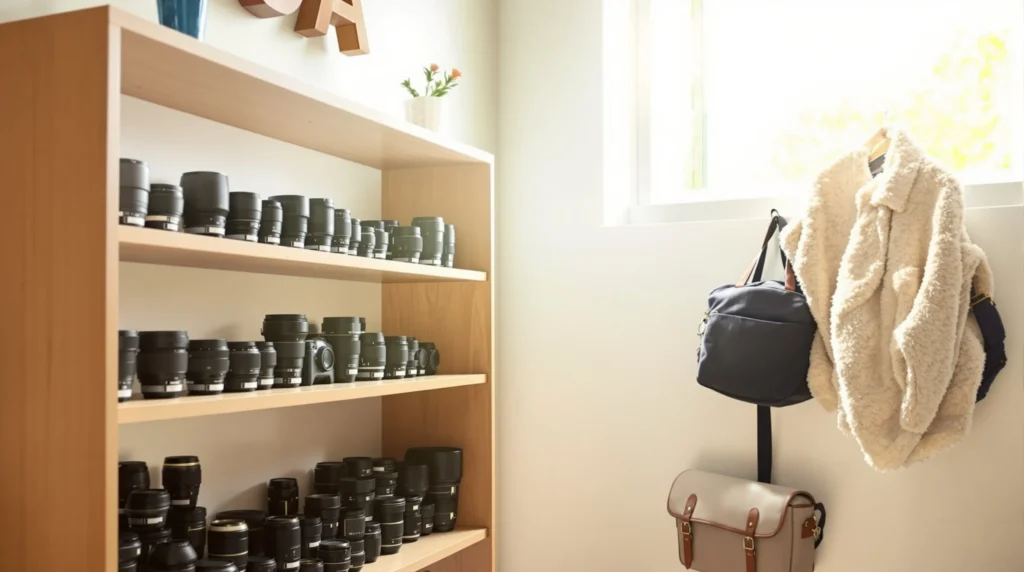
Group your gear by how often you use it. Keep daily essentials—camera body, favorite lens, batteries—within arm’s reach. Store specialty items, like macro lenses or flashes, in labeled bins or drawers. Use clear containers so you can see what’s inside at a glance.
4. Label Everything
Labels are your secret weapon. Use a label maker or masking tape and a marker. Mark each bin, drawer, or pouch with its contents. You’ll thank yourself when you’re packing for a shoot at 5 a.m.
5. Store Lenses and Cameras Properly
Always cap both ends of your lenses. Store them upright to prevent dust from settling inside. Keep camera bodies with the sensor facing down or covered. Use padded inserts or foam to prevent bumps and scratches.
6. Manage Small Accessories
Memory cards, batteries, filters, and cables love to disappear. Use small cases, pill organizers, or zippered pouches. Dedicate a drawer or box just for these items. Pro tip: keep a checklist of what you need for each shoot, so nothing gets left behind.
7. Control Humidity and Dust
Moisture is the enemy. Use silica gel packs in your storage containers. For serious protection, invest in a dry cabinet with adjustable humidity. Wipe down gear before storing to keep dust at bay.
Camera Gear Storage for Different Needs
Not all photographers are the same. Here’s how to tailor your camera gear storage:
- Travel Photographers: Use lightweight, modular bags. Pack only what you need. Keep backup batteries and cards in a separate pouch.
- Studio Shooters: Install shelves or cabinets. Use drawer organizers for cables and triggers. Mount hooks for tripods and light stands.
- Event Photographers: Prep “grab-and-go” kits with essentials. Use color-coded bags for different types of shoots.
- Hobbyists: Repurpose household items—shoe boxes, tool chests, or kitchen organizers can work wonders.
If you’re a gear minimalist, you might only need a small bag and a shelf. If you’re a collector, you’ll need a system that grows with your collection.
Camera Gear Storage Hacks Nobody Tells You
Here’s where it gets fun. Some of the best camera gear storage tricks come from trial and error:
- Use egg cartons for storing small accessories like hot shoe covers or lens caps
- Repurpose fishing tackle boxes for memory cards and batteries
- Hang pegboards for easy access to straps, cables, and tools
- Keep a “junk drawer” for odds and ends, but clean it out monthly
- Set calendar reminders to check and charge batteries
I once found a lost SD card in a sock drawer—don’t let that be you.
Maintaining Your Camera Gear Storage
Organization isn’t a one-time thing. Set a monthly reminder to clean and reorganize your camera gear storage. Check for expired batteries, clean lenses, and update your inventory. If you buy new gear, make space for it right away. If something breaks or goes unused, consider selling or donating it.
Next Steps: Take Control of Your Camera Gear Storage
If you’ve ever felt overwhelmed by your camera gear, you’re not alone. The good news? A few simple changes can save you time, money, and stress. Start small—pick one area to organize today. Your future self (and your photos) will thank you.